
Materialized workflow
In traditional workflow languages, a workflow node is an abstract concept defined
inside a workflow description file. In Celebi, each workflow node is a folder on
disk, created with create-task [name] or create-algorithm [name].
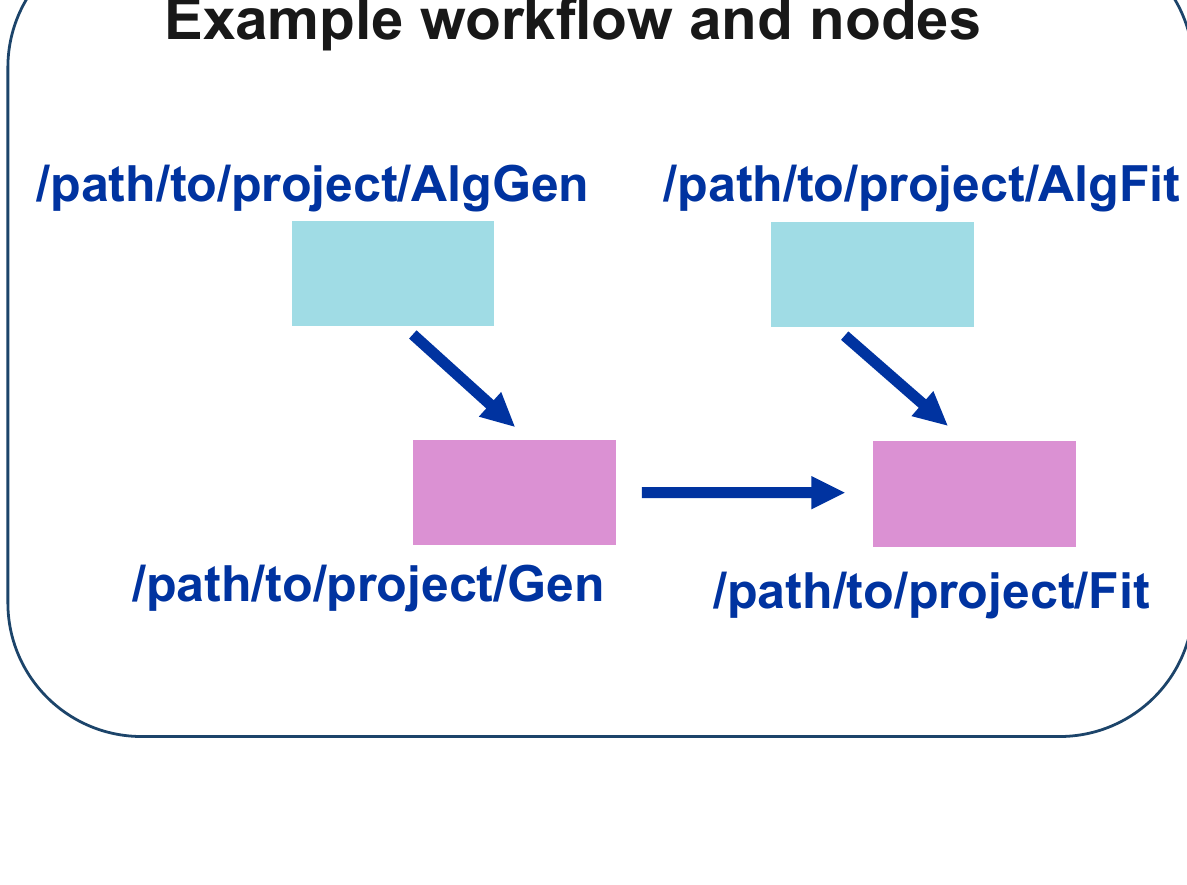
- Algorithm — a reusable, self-contained piece of code or script; a template for tasks.
- Task — the proxy for a runnable component; contains parameters etc. Multiple tasks can share the same algorithm.
Materialized means: workflow nodes actually exist on disk, not only as conceptual steps like in most workflow languages.
Data–code binding
This design follows a key realization: we do not need to treat data as a node in the workflow — all data has corresponding code that generates it. Inspired by Docker’s image/container duality, every task “contains” its data: the data produced by a node is bound to the exact code and parameters that produced it, through impressions.